


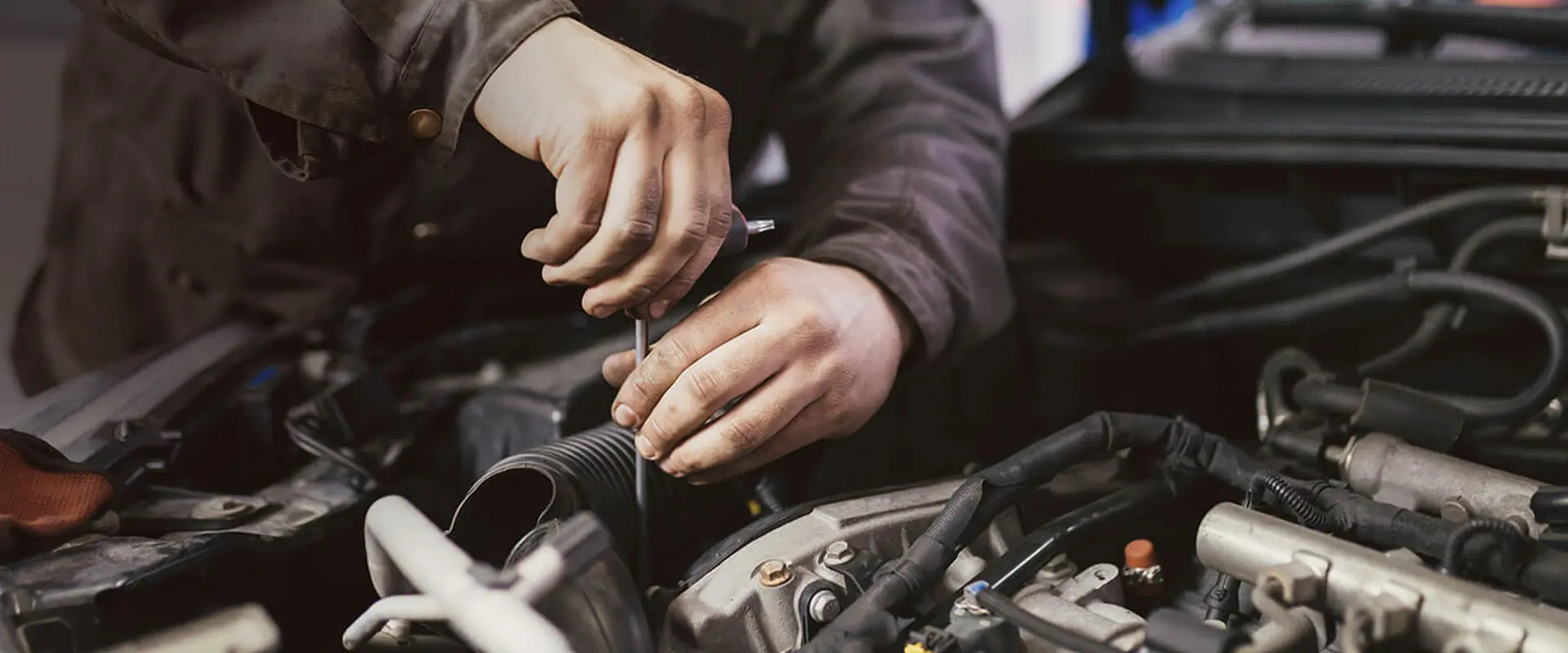

A taxi compliance test is a vehicle inspection used by a licensing authority to check whether a taxi or private hire vehicle meets the standards needed for licensed work. It may include checks similar to an MOT, but it can also cover extra licensing requirements, such as vehicle condition, signage, plates, accessibility, emissions and passenger safety. The exact rules vary depending on your local council or licensing authority, so always check the requirements that apply where you are licensed.
What Is a Taxi Compliance Test?
A taxi compliance test is designed to make sure a vehicle is suitable for carrying paying passengers.
For taxi and private hire drivers, this matters because the vehicle is being used professionally, often for long hours and with members of the public on board. The test helps licensing authorities check that the vehicle is safe, roadworthy, clean, suitable for passengers and compliant with local licensing rules.
The Department for Transport provides best practice guidance to help licensing authorities carry out their taxi and private hire vehicle licensing functions, but the practical requirements are still set and managed locally. That means a driver in one area may face different inspection rules from a driver in another area.
Is a Taxi Compliance Test the Same as an MOT?
Not always. An MOT and a taxi compliance test can overlap, but they are not automatically the same thing.
An MOT checks whether a vehicle meets minimum road safety and environmental standards. A taxi compliance test may go further because it is linked to taxi or private hire licensing. It can include additional checks that relate to passenger safety, vehicle presentation and local licensing conditions.
GOV.UK explains that MOT testing may also be carried out by designated councils, including in relation to taxis and private hire vehicles. In some cases, this can affect whether a separate MOT certificate is needed. However, this is not something drivers should assume. Always check your own licensing authority’s rules before relying on an MOT, compliance certificate or exemption.
Why Do Taxis and Private Hire Vehicles Need Compliance Checks?
Taxi and private hire vehicles are used to carry members of the public, so licensing checks help protect passengers, drivers and other road users.
They can support:
- Passenger safety
- Vehicle reliability
- Public confidence
- Accessibility standards where relevant
- Cleaner vehicle and emissions policies
- Consistent licensing standards
GOV.UK’s statutory taxi and private hire vehicle standards focus strongly on protecting children and vulnerable adults, while also noting that all passengers benefit from stronger standards across the sector.
What Does a Taxi Compliance Test Usually Check?
The exact checks depend on your licensing authority. However, a taxi compliance inspection may include areas such as:
| Area checked | What this may include |
| Vehicle condition | Bodywork, doors, windows, mirrors, paintwork and general appearance |
| Safety equipment | Brakes, lights, tyres, horn, wipers, washers and seatbelts |
| Passenger area | Seats, flooring, cleanliness, access, comfort and secure fittings |
| Licensing features | Plates, badges, door signs, roof signs, meters or operator details where required |
| Accessibility | Wheelchair access, ramps or other features if required for the licence type |
| Emissions | Local emissions standards or clean air requirements where applicable |
| Documents | MOT details, insurance, vehicle logbook, licence documents or inspection booking details |
The important point is that a compliance test is not just about whether the vehicle can legally be driven on the road. It is about whether it meets the standards required for licensed taxi or private hire work.
How Often Do Taxi Compliance Tests Happen?
There is no single UK-wide answer. The frequency depends on your local licensing authority, the type of vehicle, its age and the conditions attached to the licence.
Some vehicles may need an annual inspection. Older vehicles may need more frequent checks. In some areas, a taxi or private hire vehicle may need more than one compliance test each year.
For example, some local councils publish different inspection frequencies based on vehicle age. This is why it is important to check your own council’s current licensing pages rather than relying on general advice.
Do Taxis Need an MOT as Well?
They may do, but this depends on the licensing authority and the testing arrangements in place.
A standard MOT may be required as part of the process in some areas. In others, the local authority’s testing arrangements may affect whether a separate MOT certificate is needed. GOV.UK’s MOT testing guidance includes information on designated councils and taxis/private hire vehicles, but local licensing requirements can still differ.
A simple rule is: do not assume that an MOT alone is enough for taxi licensing. Equally, do not assume that a taxi compliance test automatically replaces every MOT-related requirement. Check the rules for your own licensing area.
Taxi Compliance Test vs MOT vs Licensing Check
| Check | Main purpose | Who usually requires it? | What it usually covers |
| MOT | Checks minimum roadworthiness and emissions standards | Required by law for most vehicles over the relevant age | Road safety, basic condition and emissions |
| Taxi compliance test | Checks suitability for licensed taxi or private hire work | Local licensing authority | Roadworthiness plus taxi/private hire licensing standards |
| Licensing check | Confirms whether the vehicle, driver or operator meets licensing rules | Local licensing authority | Documents, eligibility, vehicle standards and licence conditions |
This is why the terms can feel confusing. They are connected, but they are not always interchangeable.
What Happens If Your Taxi Fails a Compliance Test?
If your vehicle fails, the licensing authority or test centre will usually explain what needs to be fixed. You may receive a list of defects or reasons for failure.
Depending on the issue, you may need to:
- Repair the vehicle
- Book a retest
- Provide updated documents
- Stop using the vehicle for licensed work until it passes
- Speak to the licensing authority if you are unsure what happens next
If the failure relates to a serious safety issue, you should not ignore it. Carrying passengers in a vehicle that does not meet licensing requirements could put people at risk and may affect your ability to work legally.
How to Prepare for a Taxi Compliance Test
A little preparation can reduce the risk of avoidable problems.
Before your test, it is sensible to check:
- Tyres, including tread depth and visible damage
- Lights, indicators and hazard lights
- Mirrors, windows and windscreen condition
- Wipers and screen wash
- Brakes and warning lights
- Seatbelts and passenger seats
- Door handles, locks and windows
- Licence plates, badges and signage
- Interior cleanliness and passenger comfort
- Any required meter, roof sign or equipment
- Insurance documents and licence paperwork
- MOT certificate or inspection paperwork, if required locally
You should also confirm the appointment location, retest rules, fees and documents required by your licensing authority.
Common Mistakes to Avoid
One of the most common mistakes is assuming that a valid MOT automatically means the vehicle is ready for taxi or private hire work. It may not be.
Other mistakes include:
- Missing renewal or inspection deadlines
- Not checking local rules before booking a test
- Forgetting licence plates or required signage
- Ignoring minor defects until they become bigger problems
- Assuming rules are the same in every council area
- Using the vehicle for hire and reward without suitable insurance
- Not checking whether the vehicle meets age, emissions or accessibility rules
These issues can usually be avoided by checking the licensing authority’s guidance early and keeping your documents up to date.
Where Does Insurance Fit In?
A compliance test and a taxi insurance policy are separate things, but both matter if you use a vehicle for taxi or private hire work.
A taxi or private hire vehicle usually needs insurance that matches how it is used. Standard private car insurance is unlikely to be suitable if you are carrying passengers for payment. Depending on your work, you may need suitable public hire taxi insurance, private hire insurance or cover designed for Uber drivers.
Your licensing authority may also ask for proof of appropriate insurance before issuing or renewing a vehicle licence. Always check your policy wording, licence conditions and local requirements before starting work.
FAQs
Is a taxi compliance test legally required?
A compliance test is commonly required as part of the taxi or private hire vehicle licensing process. The exact inspection process depends on the licensing authority, so check your local council’s guidance.
Is a taxi compliance test harder than an MOT?
It can be broader than an MOT because it may include additional licensing checks. These could relate to passenger areas, signage, plates, vehicle condition, accessibility or local policy requirements.
Can I drive my taxi if it fails a compliance test?
You may not be able to use it for licensed taxi or private hire work until the issue is resolved. The exact position depends on the fault, the licence conditions and your licensing authority’s rules.
Do private hire vehicles need the same checks as taxis?
Private hire vehicles and taxis both need to meet licensing standards, but the rules may differ. Hackney carriage taxis and private hire vehicles are often licensed under different conditions.
Who carries out taxi compliance tests?
This depends on the area. Some licensing authorities use council-approved test centres, while others use designated inspection sites or local testing arrangements.
How much does a taxi compliance test cost?
Costs vary by licensing authority, vehicle type, test frequency and retest rules. Check your local council’s current fee list before booking.
Conclusion and Summary
A taxi compliance test helps confirm that your vehicle is suitable for licensed passenger work. It may feel like another thing to manage, but it plays an important role in keeping passengers safe and helping drivers meet local licensing standards.
The key is to check your local rules early, keep your vehicle well maintained, prepare your documents and make sure your insurance matches how you use the vehicle. That way, you can approach your inspection with more confidence and avoid common delays.