


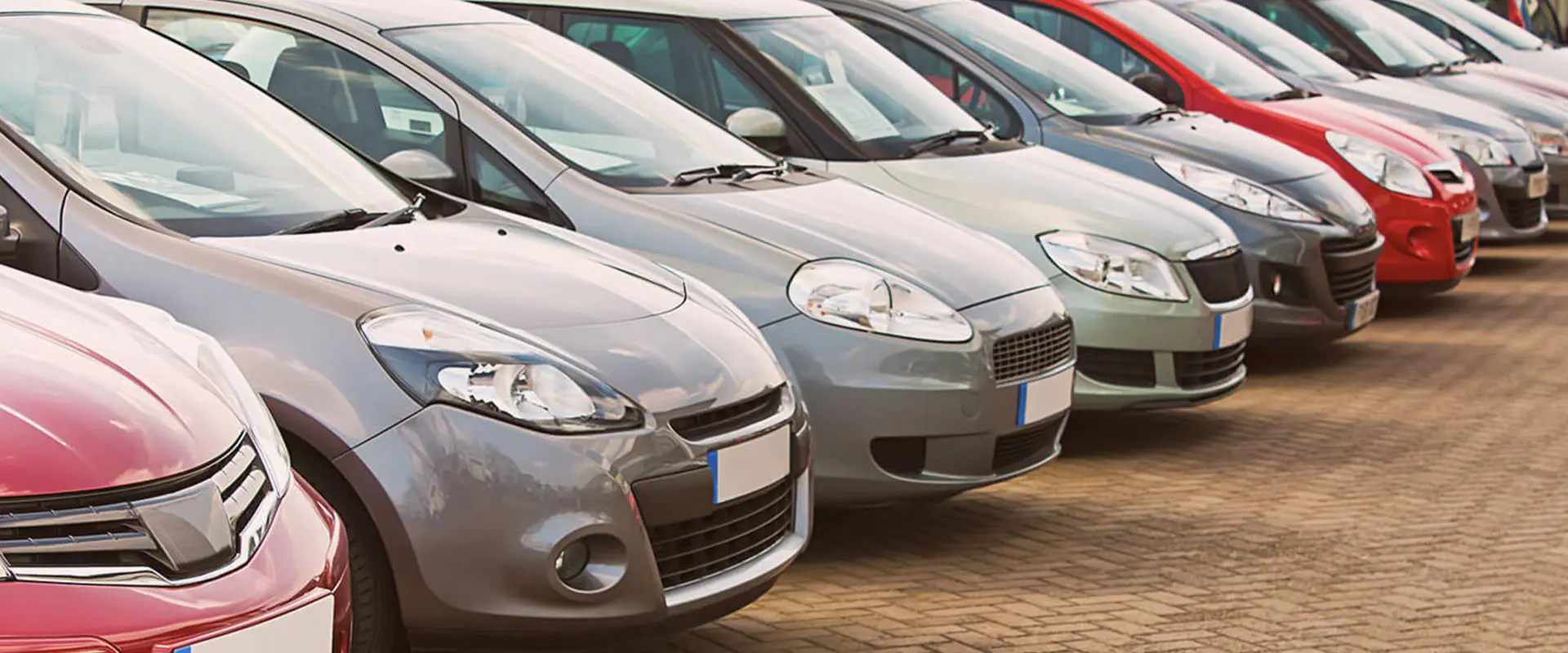

Clean Air Zones are now a permanent consideration for UK fleet operators. The London Ultra Low Emission Zone (ULEZ) is one of the most well-known examples, requiring vehicles to meet emissions standards or pay daily charges.
Source: tfl.gov.uk/modes/driving/ultra-low-emission-zone
Similar schemes now operate in cities such as Birmingham, Bristol, and Manchester, making compliance an ongoing challenge for fleets.
How Clean Air Zones Affect Fleets
Non-compliant vans entering ULEZ or Clean Air Zones may face daily charges, which can quickly add up.
Common challenges include:
- Drivers entering zones unintentionally
- Mixed fleets with different compliance levels
- Unexpected costs impacting job pricing
Practical Planning for Fleet Owners
Effective planning starts with visibility:
- Check each vehicle’s compliance status
- Map routes and identify clean air zones
- Train drivers clearly and regularly
- Factor charges into pricing where unavoidable
Many fleets now factor emissions compliance into long-term vehicle replacement planning.
Insurance Considerations When Fleets Change
Changes in vehicle type, mileage, usage, or operating areas should always be reflected in fleet insurance arrangements. Keeping insurers informed helps ensure cover remains appropriate and effective.
Long-Term Fleet Strategy
While upgrading vehicles may involve upfront costs, compliant vans can reduce ongoing charges, improve reliability, and support future operational flexibility.
Final Thoughts
Clean Air Zones are here to stay. Fleets that plan early and adapt gradually are best placed to manage costs and avoid disruption.