


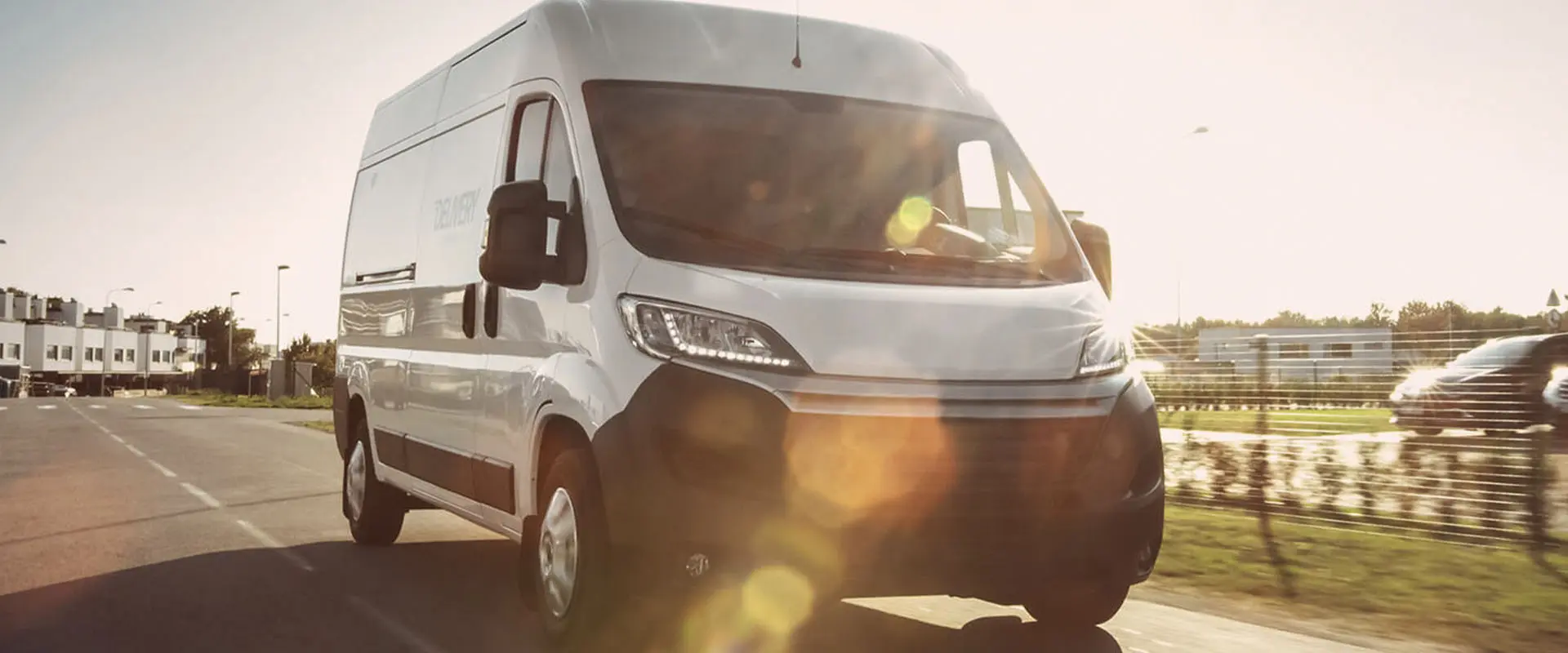

As a tradesperson, choosing the right van for your day-to-day work isn’t just about picking the most popular model, it’s about finding what works best for your trade, workload and budget. Popular choices for UK tradespeople include the Ford Transit Custom, Vauxhall Vivaro and Mercedes-Benz Sprinter, all of which offer a strong balance of space, reliability, running costs and everyday usability.
What Makes a Van “Best” for Tradespeople?
There’s no single “best” van for everyone. The right choice depends on your day-to-day professional needs. There are several factors you might consider when choosing a van for your work.
Payload and Load Space
If you require a van for the carriage of own goods, tools, materials, and equipment, you will need to consider how much these will weigh (payload). Overloading can lead to fines and safety risks, as well as invalidating insurance in some cases. You can check legal weight limits on the GOV.UK guidance for vehicle weights: www.gov.uk/driving-licence-categories.
Fuel Efficiency and Running Costs
Fuel is often one of your biggest ongoing costs. If you do long motorway journeys, fuel efficiency matters more. For shorter urban trips, electric vans could be worth considering.
Reliability and Maintenance
Downtime costs money. Regular servicing and finding a reliable van with widely available parts help you avoid disruptions to your work.
Comfort and Practical Features
If you spend hours on the road, comfort matters. Look for features like good seat support, storage compartments, and parking sensors.
Best Vans for Tradespeople in the UK
Here’s a quick comparison of some popular options:
| Model | Size | Payload (approx.) | Fuel Type | Best For | Key Strength |
| Ford Transit Custom | Medium | Up to 1,300kg | Diesel/Electric | General trades | Versatility |
| Vauxhall Vivaro | Medium | Up to 1,400kg | Diesel/Electric | Plumbers/electricians | Value for money |
| VW Transporter | Medium | Up to 1,200kg | Diesel | Multi-trade use | Build quality |
| Mercedes Sprinter | Large | Up to 1,500kg+ | Diesel/Electric | Builders/heavy loads | Capacity and durability |
| Citroën Berlingo | Small | Up to 1,000kg | Diesel/Petrol | City-based trades | Easy to drive |
Payload figures vary depending on configuration and should always be checked before purchasing
Small Vans (Best for City Work & Light Loads)
If you mainly work in towns and cities a smaller van can potentially make the narrow streets and busier roads easier to navigate.
Examples of smaller vans include:
- Citroën Berlingo
- Peugeot Partner
- Ford Transit Courier
Pros:
- Easier to park
- Generally better fuel economy
- Potentially lower purchase cost
Limitations:
- Less load space
- Not ideal for bulky materials
Medium Vans (Most Popular Choice)
Medium vans offer a balance that suits many trades.
Examples of medium vans include:
- Ford Transit Custom
- Vauxhall Vivaro
- VW Transporter
Pros:
- Good mix of payload and efficiency
- Versatile for different trades
- Generally, more likely to have widely available parts
Limitations:
- Can feel large in tight urban areas
- Slightly higher running costs than small vans
Large Vans (Heavy-Duty Work)
For construction or high-volume jobs, a larger van may be essential.
Examples of large vans includes:
- Mercedes-Benz Sprinter
- Ford Transit
- Renault Master
Pros:
- Maximum storage and payload
- Ideal for bulky materials
Limitations:
- Higher fuel and maintenance costs
- Harder to park and manoeuvre
Choosing the Right Van for Your Trade
Builders and Construction
You’ll likely need a large van with a high payload if you regularly carry heavy tools, bulk materials, ladders, or site equipment. Durability, load capacity, and easy access to the rear and side doors are especially important when you are loading and unloading throughout the day. If you work across multiple sites, it can also help to choose a van with a practical cabin layout, strong security features, and enough space to keep equipment organised safely.
Electricians and Plumbers
A medium van with smart storage often works well for electricians and plumbers because it gives you enough room for tools, fittings, parts, and testing equipment without adding unnecessary bulk. Shelving, internal racking, and secure compartments can make a big difference by helping you stay organised and reducing time spent searching for items on the job. For many tradespeople, a van that balances load space, fuel efficiency, and manoeuvrability is the most practical choice.
Delivery Drivers, Fast Food Delivery Drivers and Couriers
Fuel efficiency and reliability are crucial for delivery drivers, fast food delivery drivers and couriers, especially if you cover long distances or make frequent stop-start journeys every day. A compact or medium-sized van can be a good fit because it is easier to park, quicker to manoeuvre in busy streets, and often cheaper to run. If most of your work is local and urban, low-emission or electric vans may also be worth considering, particularly where clean air zone charges or frequent refueling could affect your costs.
Multi-Trade or Growing Businesses
A versatile medium van gives you flexibility as your workload changes and can be a sensible option if your business is expanding. It offers enough space for a wider range of tools, materials, and stock without committing you to the higher running costs of a large van too early. This type of van can also adapt well if you take on different kinds of jobs, hire extra staff, or need a vehicle that supports both current work and future growth.
New vs Used Vans – What Should You Consider?
New vans tend to:
- Come with warranties
- Lower risk of breakdowns
- Higher upfront cost
- Lower purchase price
- Potential for higher maintenance costs
- Need careful inspection
There’s no right answer to whether a new or used van will be better for your working situation: it depends on your budget and risk tolerance.
Running Costs, You Should Factor In
Fuel or Charging Costs
Electric vans can reduce fuel costs but require charging access. The Energy Saving Trust provides guidance on EV running costs: energysavingtrust.org.uk/advice/electric-vans/
Maintenance and Repairs
Older vans may need more frequent repairs, which can add up over time.
Road Tax and Emissions Charges
Check if your van will be affected by Clean Air Zones: www.gov.uk/guidance/driving-in-a-clean-air-zone
Van Insurance Considerations
Your insurance cost can vary depending on:
- Van size and value
- How you use it (business or mixed use)
- Your location and mileage
Electric Vans – Are They Worth It?
Electric vans are becoming more popular, especially in urban areas.
Benefits:
- Lower running costs
- Access to low-emission zones
- Reduced environmental impact
Limitations:
- Limited range compared to diesel
- Charging infrastructure varies by area
- Higher upfront cost
They’re often best if you mainly work locally and can charge overnight.
Top Tips Before You Choose Your Van
- Work out your average load weight
- Think about where you’ll park
- Check real-world fuel economy
- Compare insurance costs early
- Test drive different models
FAQs
What is the most reliable van in the UK?
Reliability varies, but models like the Ford Transit and VW Transporter are often praised for dependability. Regular maintenance matters just as much as brand choice.
Which van is the most affordable to run?
In many cases, small vans and electric vans can be the most affordable to run, but the answer depends on how and where you use the vehicle. Running costs are influenced by fuel or charging prices, annual mileage, payload, servicing and repairs, insurance, road tax, and whether you regularly drive in urban clean air zones. For example, a small diesel van may cost less for short local jobs, while an electric van may be more cost-effective for city-based work if you have convenient overnight charging. The lowest cost option is usually the one that matches your daily workload without giving you more size or capacity than you need.
What size van do I need?
The right size depends on the tools and materials you carry. Electricians may only need a small or medium van, while builders often need a larger one.
Are electric vans suitable for tradespeople?
They can be, particularly for local work. However, range and charging access are important considerations.
Does van type affect insurance costs?
Yes. Larger or more expensive vans may cost more to insure, and how you use your van also plays a role.
Can I use my van for personal use?
Some policies allow this, but you’ll need to make sure your insurance cover includes both personal and business use.
Final Thoughts
Choosing the right van isn’t just about picking a popular model; it’s about finding what works best for your trade, workload, and budget.
By thinking carefully about payload, running costs, and how you use your van day to day, you can make a more confident decision.
It’s also worth considering how your choice may affect your van insurance, so you’re fully covered for how you work. Taking the time to get this right can help keep your business running smoothly.