



Table of Contents
How Are Panel Vans Classified in the UK?
Why Are There Separate Licences?
What’s the Difference Between Panel Vans and Other Vans?
Who Typically Uses a Panel Van?
Do You Need Specialist Insurance for a Panel Van?
Getting the Right Cover for Your Panel Van
If you’re researching vans for work or personal use, you’ve probably come across the term panel van. But what exactly does it mean?
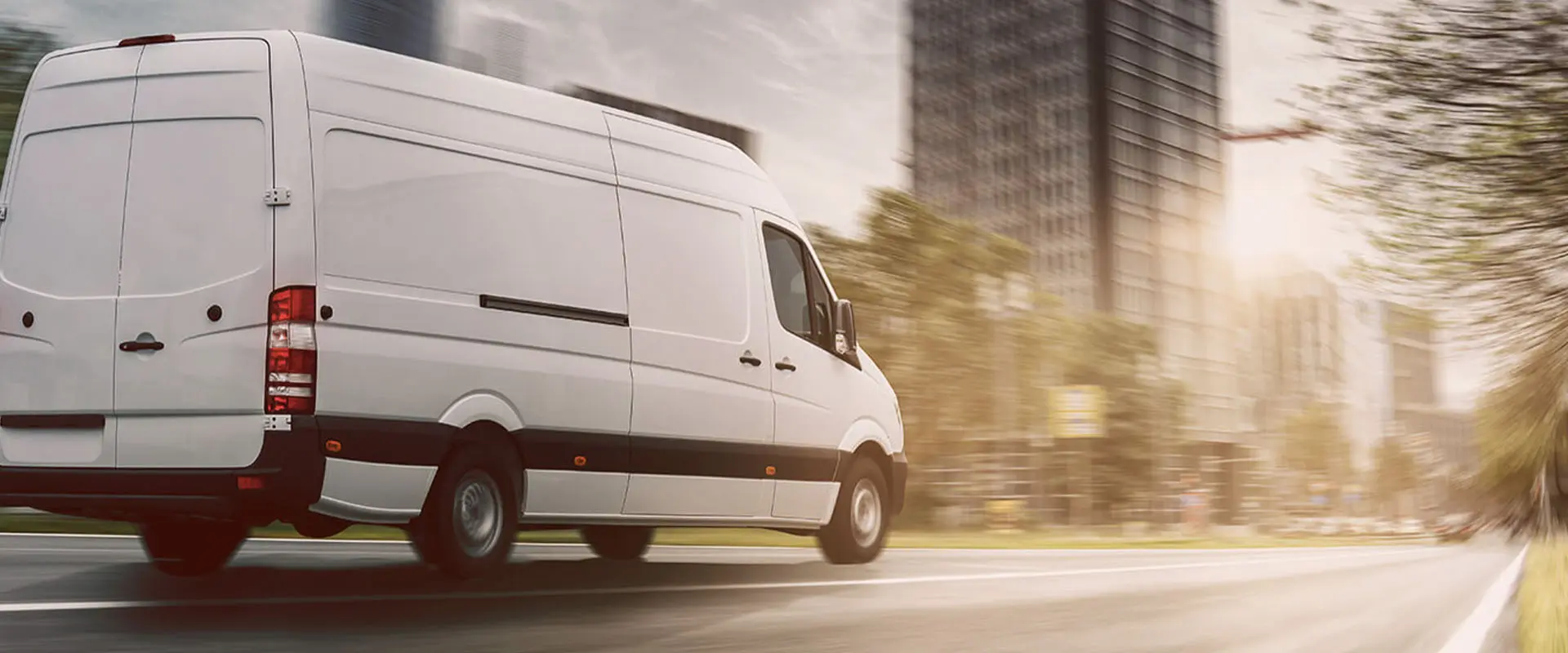
Put simply, a panel van is a type of light commercial vehicle with an enclosed rear load area and solid side panels instead of rear windows. It’s designed mainly for carrying goods, tools or equipment rather than passengers.
In the UK, panel vans are one of the most common vehicles used by tradespeople, couriers and small businesses, and understanding what sets them apart can help you choose the right vehicle and the right insurance.
What Defines a Panel Van?
A vehicle is generally considered a panel van if it has:
- Either two or three seats in the front, often with a double passenger bench
- No side windows in the rear load area
- A fully enclosed cargo space
- Rear barn doors or a tailgate
- Often, a bulkhead separating the cabin from the load area
The absence of rear side windows is what gives the “panel” van its name — the solid metal panels maximise security and load space. Popular examples in the UK include:
- Ford Transit (panel van variant)
- Vauxhall Vivaro
- Volkswagen Transporter
- Mercedes-Benz Sprinter
Many of these models also come in different configurations (crew vans, minibuses, chassis cabs), so it’s the layout — not just the model name — that determines whether it’s a panel van.
How Are Panel Vans Classified in the UK?
Most panel vans fall under the category of light commercial vehicles (LCVs).
In practical terms, that usually means:
- A gross vehicle weight (GVW) of up to 3.5 tonnes
- Designed primarily for transporting goods
If your van weighs under 3.5 tonnes, you can normally drive it on a standard UK Category B driving licence (the same licence used for cars). However, speed limits differ from cars in some situations.
UK Speed Limits for Vans Under 3.5 Tonnes
Unless road signs state otherwise:
- Single carriageways: 50 mph
- Dual carriageways: 60 mph
- Motorways: 70 mph
These limits are set out in the Highway Code and apply to most light goods vehicles. See our article about van speed limits in the UK for more information.
What’s the Difference Between Panel Vans and Other Vans?
Not all vans are built the same. The key differences usually come down to space, seating and intended use.
Panel Van vs Crew Van
A crew van has an additional row of seats behind the driver, allowing you to carry passengers as well as equipment.
| Feature | Panel Van | Crew Van |
| Rear seats | No | Yes |
| Rear windows | No | Yes |
| Cargo space | Maximum | Reduced |
| Best for | Carrying tools and goods | Work teams + equipment |
If you regularly transport staff, a crew van may suit you better. If load space is your priority, a panel van is often the more practical choice.
Panel Van vs Luton Van
A Luton van is larger and easily recognised by the box-shaped cargo area that extends over the cab.
| Feature | Panel Van | Luton Van |
| Size | Medium to large | Large |
| Load area | Integrated body | Box body extending over cab |
| Payload capacity | Moderate | Higher |
| Typical use | Trades, deliveries | Removals, bulky transport |
Luton vans are commonly used for house moves or transporting large, lightweight items like furniture.
Panel vans, on the other hand, are better suited to everyday trade work or parcel delivery, where manoeuvrability and practicality matter.
Panel Van vs Minibus
A minibus is designed for passengers, not goods.
| Feature | Panel Van | Minibus |
| Passenger capacity | 2 | 8–16+ |
| Cargo focus | Yes | No |
| Windows | No rear side windows | Full side windows |
If your main purpose is moving people rather than equipment, a minibus is more appropriate.
Who Typically Uses a Panel Van?
Panel vans are widely used across the UK by:
- Electricians
- Plumbers
- Builders
- Mobile mechanics
- Couriers and delivery drivers
- Small business owners
They’re popular because they offer:
- Secure storage
- Practical load space
- Easier urban driving than larger vans
- Flexibility for shelving and racking installations
For many self-employed drivers, a panel van is an essential part of running a business.
Do You Need Specialist Insurance for a Panel Van?
In most cases, yes.
Panel vans usually require van insurance, rather than standard car insurance. The type of cover you need depends on how you use the vehicle.
Common use categories include:
Carriage of Own Goods
If you transport tools or materials for your own business.
Hire and Reward
If you deliver goods for payment (for example, courier van or parcel delivery work).
Social, Domestic and Pleasure
If the van is mainly used for personal reasons. It’s important to accurately describe how your van is used. Not declaring business or courier use could affect a claim later on. You can check whether a vehicle is insured using the Motor Insurance Database (MID) via askMID.
What About Tax and Emissions Rules?
Panel vans are taxed differently from cars. Most light goods vehicles fall under a flat-rate Vehicle Excise Duty (VED) category.
Emissions regulations may also apply depending on where you drive.
Some UK cities operate Clean Air Zones (CAZ), and London operates the Ultra Low Emission Zone (ULEZ). Charges depend on your van’s emissions standard rather than whether it’s a panel van specifically.
It’s worth checking GOV.UK or your local authority’s website to confirm whether charges apply to your vehicle.
Can You Convert a Panel Van?
Yes — panel vans are often converted into:
- Campervans
- Mobile catering units
- Specialist trade vehicles
If you modify your van, you should:
- Inform your insurer
- Check whether DVLA classification changes apply
- Confirm that your cover still reflects how the vehicle is used
Even practical additions like shelving or roof racks may need to be declared.
Is a Panel Van Right for You?
A panel van could be a good choice if:
- You need secure, enclosed storage
- You transport tools or equipment daily
- You don’t need rear passenger seating
- You want something more compact than a Luton van
It may not be suitable if:
- You regularly carry multiple passengers
- You move large, bulky furniture
- You only need occasional light transport
Choosing the right van helps ensure you’re properly insured and not paying for cover you don’t need.
Getting the Right Cover for Your Panel Van
If you rely on your van for work, having the correct insurance in place matters. At Acorn Insurance, we arrange specialist cover for:
- Tradespeople
- Couriers and delivery drivers
- Self-employed van operators
- Drivers with non-standard circumstances
The right policy should reflect how you actually use your van, what you carry, and where you operate. If you’re unsure what level of van insurance cover you need, it’s always worth checking before you’re on the road.
Frequently Asked Questions
What makes a van a panel van?
A panel van has a fully enclosed rear load area with solid side panels instead of rear windows. It is designed primarily for transporting goods rather than passengers.
Can I drive a panel van on a standard UK licence?
In most cases, yes. Most panel vans under 3.5 tonnes can be driven with a standard Category B car licence. Have a look at our article on whether you can drive a van on your current licence.
Is a Luton van a type of panel van?
No. A Luton van has a large box-shaped cargo body that extends over the cab. Panel vans have an integrated body and are usually smaller.
Do panel vans have different speed limits from cars?
Yes. On single and dual carriageways, vans under 3.5 tonnes have lower national speed limits than cars unless signs state otherwise.