


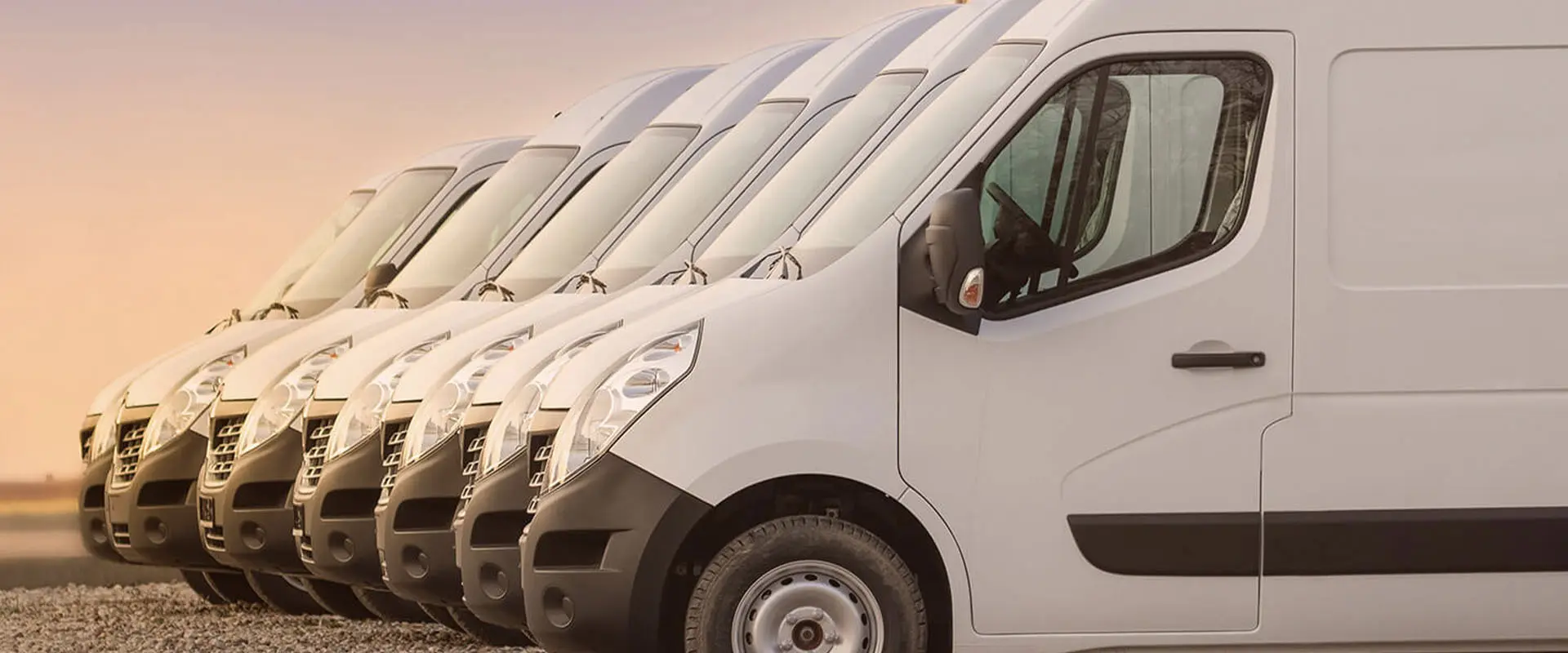

The main types of vans in the UK include small vans, medium panel vans, large panel vans and specialist vehicles such as Luton vans, tippers and dropsides. The right choice depends on what you’ll be carrying, how you’ll use the van and whether it’s for trade, courier work or general business use. This guide explains the different options to help you choose the right van for your needs.
Choosing the right van is one of the most important decisions you’ll make for your business. Whether you’re a tradesperson transporting tools, a courier making deliveries or a company expanding its fleet, selecting the right vehicle can improve efficiency, reduce running costs and help you work more effectively.
From compact city vans to large panel vans and specialist commercial vehicles, each type has been designed for different tasks. Understanding the differences can help you make a more informed purchasing decision.
Small Vans
Small vans are among the most popular commercial vehicles in the UK, offering a practical balance between load space, fuel economy and manoeuvrability. They’re well suited to businesses operating in towns and cities, where compact dimensions make parking and navigating busy streets much easier.
Popular examples include the Ford Transit Courier, Volkswagen Caddy Cargo and Renault Kangoo.
Small vans are commonly used by:
- local tradespeople;
- small businesses;
- urban delivery drivers; and
- courier operators making frequent local deliveries.
Within this category, you’ll also find car-derived vans (CDVs). These are a specific type of small van built from a passenger car platform, rather than being designed as purpose-built commercial vehicles. If you’re unsure of the difference, our guide What Is a Car-Derived Van? explains how they’re classified, how they differ from other small vans and why it can matter for driving rules and insurance.
If you’re planning to use your van for carrying goods for payment, it’s also worth understanding how courier van insurance differs from standard business van insurance.
Medium Panel Vans
Medium panel vans offer an excellent balance between carrying capacity and everyday usability, making them one of the UK’s most popular commercial vehicle choices.
Models such as the Ford Transit Custom, Volkswagen Transporter and Vauxhall Vivaro provide significantly more load space than smaller vans while remaining comfortable to drive on both urban routes and longer motorway journeys.
They’re commonly chosen by:
- builders;
- plumbers;
- electricians;
- delivery businesses; and
- growing courier companies.
For many businesses, a medium panel van provides enough flexibility to carry tools, equipment or deliveries without moving up to a larger commercial vehicle.
Large Panel Vans
Large panel vans are designed for businesses that regularly transport bulky or heavy loads.
Examples include the Mercedes-Benz Sprinter, Ford Transit and Volkswagen Crafter, all of which offer substantial cargo space and higher payload capacities.
They’re particularly popular with:
- removal companies;
- logistics businesses;
- furniture retailers;
- commercial fleets; and
- long-distance courier operators.
When comparing larger vans, it’s important to consider not only the available load space but also the vehicle’s legal payload capacity.
If you’re unsure how payload works or how it’s calculated, our guide to Van Payload Limits Explained explains everything you need to know before choosing a vehicle. You can also find out more about panel vans by reading our article defining what a panel van is, here.
Luton Vans
Featuring a large, box-shaped cargo area that extends over the driver’s cab, Luton vans maximise usable cubic volume. They are typically equipped with an electric tail-lift, making them the industry standard vehicle for home removal companies and large-appliance delivery fleets.
If you’re unfamiliar with this type of vehicle, our guide What Is a Luton Van? explains how Luton vans differ from standard panel vans, their typical payloads and the types of work they’re best suited to.
Tippers and Dropsides
Built on heavy-duty chassis cabs, these vehicles are designed for the construction, landscaping and waste-management sectors.
Dropsides feature low, hinged sides for easy side-loading of pallets and bulky materials, while tippers utilise hydraulic rams to tilt the load bed backwards, allowing sand, soil, gravel and other loose materials to be unloaded quickly and efficiently.
Choosing between the two largely depends on the type of work your business carries out and the materials you transport on a day-to-day basis.
You can read our guide to the best tipper trucks available, here.
Key Considerations Before You Buy
Calculating Your True Payload Requirements
A critical mistake when buying a van is looking only at cubic load space while ignoring your legal payload capacity.
Payload is the maximum weight you can legally add to the vehicle, including cargo, passengers and a full tank of fuel. Exceeding your van’s Gross Vehicle Weight (GVW) can result in roadside enforcement action and financial penalties, while also affecting your insurance cover and how a claim may be assessed following an incident.
Understanding your payload requirements before choosing a van can help you avoid these issues and ensure the vehicle is suitable for the work you carry out.
If you’d like to understand payload calculations in more detail, our guide Van Payload Limits Explained covers payload, GVW and common misconceptions in greater depth.
Sourcing the Correct Van Insurance
Before driving your new van off the forecourt, it’s important to ensure it’s insured for the type of work you’ll be carrying out. The van insurance you need depends not only on the vehicle you’ve chosen, but also on how it’s used.
Carriage of Own Goods
If you’re a tradesperson using your van to transport your own tools, equipment or stock between jobs, you’ll typically require Carriage of Own Goods cover.
Hire and Reward (H&R)
If you’re paid to transport goods belonging to other people—whether parcels, freight or takeaway food—you’ll generally require Hire and Reward (H&R) insurance.
This type of cover is commonly needed by professional courier drivers and is typically a requirement for delivery platforms such as Amazon Flex and Evri.
Frequently Asked Questions
Can I drive any size van on a standard UK car licence?
If you hold a standard UK Category B driving licence, you can usually drive any light commercial vehicle (LCV) with a Maximum Authorised Mass (MAM) of up to 3.5 tonnes (3,500kg).
This covers the vast majority of small, medium and large panel vans available in the UK, including popular models such as the Ford Transit, Mercedes-Benz Sprinter and Volkswagen Crafter.
If you intend to drive larger commercial vehicles exceeding 3.5 tonnes, you’ll normally need a higher category licence, such as Category C1.
Should I buy a diesel or electric van in 2026?
The right choice depends largely on how you’ll use your van. For businesses making regular urban deliveries or shorter journeys, electric vans can potentially offer lower running costs, reduced maintenance and exemption from many Clean Air Zone (CAZ) and Ultra Low Emission Zone (ULEZ) charges.
For businesses covering longer motorway distances, carrying heavier loads or towing regularly, modern Euro 6 diesel vans continue to offer greater range and faster refuelling. Rather than asking which fuel type is “best”, it’s usually more helpful to consider which one best suits your day-to-day operation.
Which type of van is best for courier work?
There isn’t a single answer to this, because it depends on the type of deliveries you make.
Small vans are often ideal for urban parcel deliveries where manoeuvrability and fuel efficiency are important, while medium panel vans provide additional load space for growing courier businesses. Larger panel vans are generally better suited to bulky freight or high-volume delivery work.
If you’re carrying goods for payment, it’s also important to make sure you have insurance that’s appropriate for courier van work.
Choosing the Right Van for Your Business
The best van isn’t necessarily the biggest or the most powerful; it’s the one that’s best suited to the work you do.
By considering the type of loads you’ll carry, your expected payload, the distances you travel and how your van will be used, you’ll be in a much stronger position to choose a vehicle that supports your business both now and in the future.
Whether you’re a tradesperson, a growing courier business or purchasing your first commercial vehicle, taking the time to understand the different types of vans available can help you make a more informed decision.